How Conversation-Starting Shirts Spark Real Dialogue
Walk into any coffee shop or community meeting these days, and you will see people wearing their beliefs on their sleeves, literally. A t-shirt is no longer just a piece of clothing. It is a billboard for what matters to the person wearing it. Some shirts are funny, some are angry, and some are clever enough to make a stranger stop and ask a question. That moment, that opening, is the reason why conversation-starting shirts have become a staple of modern expression.
I have worn a few of these shirts over the years, and I can tell you the effect is real. A bold design on a simple tee can break the ice faster than any pickup line. It signals something about you without saying a word. And in a time when people are more divided than ever, finding a way to talk across differences is a small but meaningful act.
The Shift from Fashion to Statement
Clothing has always carried meaning. Uniforms, gang colors, even the cut of a suit, all of it communicates. But the t-shirt became a canvas for personal messages in the 1960s and 1970s, when political activism and rock music converged. Since then, the protest t-shirt has become a symbol of free speech and civil liberties. What started as a cheap way to spread a slogan has evolved into a full category of merchandise that blends fashion with social commentary.
Today, people wear activist apparel not just at rallies but at the grocery store, the gym, and the office. That shift matters. It means the message reaches people who might never attend a protest or read a political blog. A well-designed shirt can raise awareness about an issue in a way that feels personal and non-confrontational. It invites curiosity rather than shutting it down.
Why Satire Works Better Than Slogans
Not all statement pieces land the same way. A blunt slogan like "Vote" or "Resist" can feel like an order. But satirical designs use humor to open a door. They let the wearer express a point of view without coming across as preachy. For example, a shirt that parodies a famous brand logo with a political twist might make someone laugh before they realize there is a critique underneath. That laugh is the opening for a real exchange.
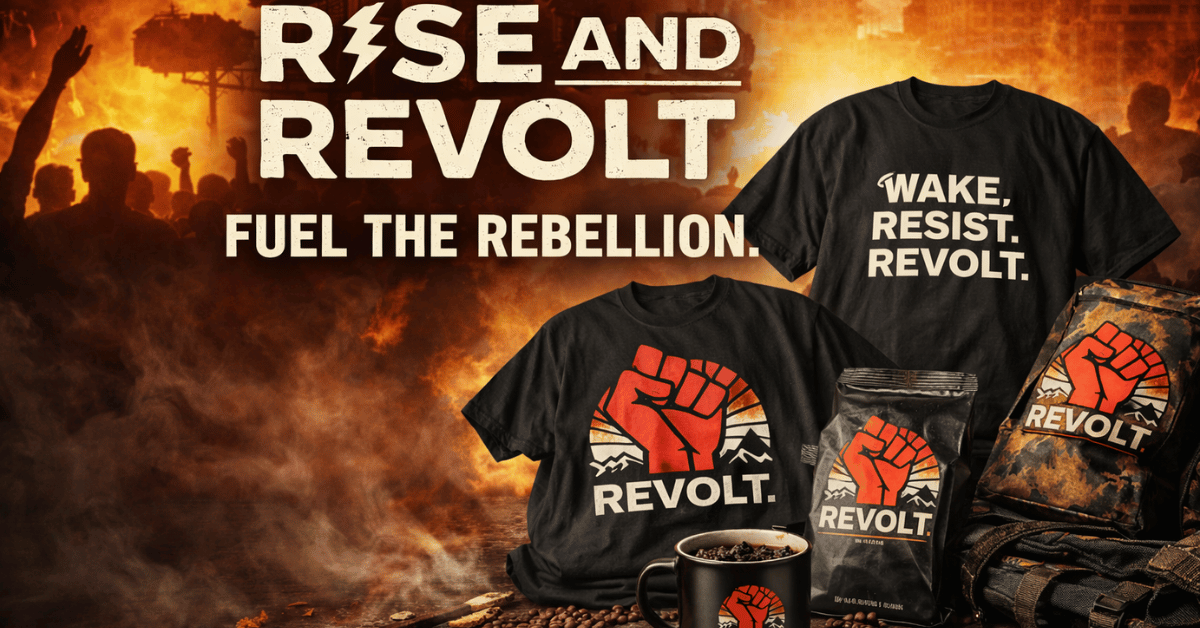
Satire has a long history in political activism. It disarms defensiveness. When you laugh at something, you lower your guard. A brand like Rise and Revolt knows this well. Their clothing line uses sharp humor and bold graphics to make statements about democracy and civil liberties. The designs are meant to be worn in everyday life, not just at marches. That is what makes them effective, they meet people where they are.
The Anatomy of a Conversation Starter
What makes a shirt actually start a conversation? It is not just about being loud or shocking. The best designs have a few qualities in common:
- Clarity: The message is readable at a glance. If someone has to squint or think too hard, they will walk past.
- Wit: A clever twist on a familiar idea sticks in the mind and invites a second look.
- Relatability: The issue or joke resonates with a broad audience, not just insiders.
- Visual punch: The artwork is strong enough to catch the eye from across the room.
- Wearability: The shirt looks good enough that people want to wear it even when they are not trying to make a point.
These elements combine to create what I call a statement piece. It is wearable art that carries a message. And when someone stops you to ask about it, that is the moment when a simple piece of clothing becomes a bridge between two people.
Real Encounters, Real Results
I remember wearing a shirt with a satirical take on a popular fast-food logo, reworked to comment on corporate influence in politics. Standing in line at a deli, the person behind me tapped my shoulder and said, "I get it. That is funny." We ended up talking for ten minutes about campaign finance reform. I would never have started that conversation on my own. The shirt did it for me.
That is the power of conversation-starting shirts. They lower the social barrier to entry. You do not have to be an expert or a natural talker. The shirt does the work. It signals your values and invites others to respond. For people who care about free speech and civil liberties, that ability to spark dialogue is invaluable. It turns a passive activity, waiting in line, into an active exchange of ideas.
Beyond the Shirt: Coffee as a Catalyst
Rise and Revolt also sells coffee, and that is not an accident. Coffee and conversation go together. A shirt catches the eye, but a cup of coffee invites someone to sit down and talk. The brand understands that the goal is not just to sell merchandise but to build a movement. When you wear their designs and drink their coffee, you are participating in a culture of engagement. You are signaling that you are open to dialogue, not just to broadcasting your opinion.
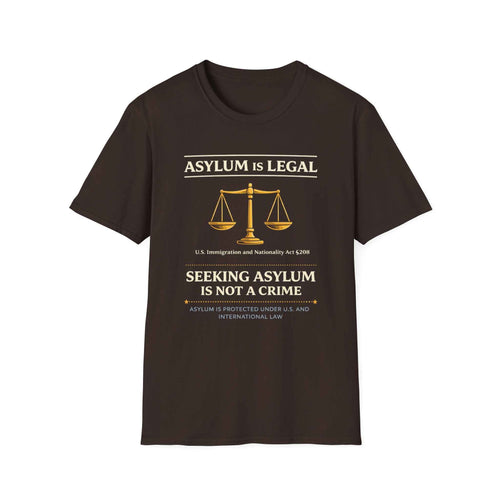
I have seen this play out at local meetups and activist events. Someone walks in wearing a shirt with a bold design. Someone else notices it and says, "Hey, I have that same one." Suddenly two strangers are comparing notes on why they support the cause. That connection can lead to collaboration, friendship, or at least a moment of shared understanding. In a fragmented world, that is no small thing.
How Brands Can Do It Right
Not every brand that tries to make a statement succeeds. Some come across as trying too hard, or they use issues as a marketing gimmick. The brands that get it right share a few traits. They are authentic to a core mission. They design for their actual customer, not for a vague idea of who might buy their stuff. And they put thought into the artwork, not just the slogan.
Rise and Revolt is a good example. Their focus on democracy, civil liberties, and free speech runs through every part of their clothing line. The designs are satirical but not mean. They are bold but not aggressive. That balance is hard to strike. It requires knowing the difference between provocation for its own sake and provocation that opens a door. The best conversation-starting shirts do the latter. They make you think, but they also make you want to talk.
The Risks of Wearing Your Politics
Of course, wearing a political statement on your chest comes with risks. Not everyone will react with curiosity. Some people will take offense. A few might even try to start an argument. That is the trade-off. You trade the comfort of anonymity for the chance to be seen and heard. For people who value expression and free speech, that trade is worth it. But it pays to be prepared.
I have learned to read the room. If I am going to a family gathering where opinions vary widely, I might choose a design that is more humorous than confrontational. Satire often lands better than a direct attack. And I always remind myself that the goal is not to win a debate but to share a perspective. A shirt that starts a conversation is a success even if no one changes their mind. Dialogue itself is the win.
Practical Tips for Wearing Statement Tees
If you are new to wearing activist apparel, here are a few things I have picked up along the way:

- Choose a design that reflects something you genuinely care about. Authenticity shows.
- Pair your shirt with neutral clothing to let the message stand out.
- Be ready to talk about the issue. If someone asks, have a brief answer ready.
- Don't be afraid to smile. A friendly demeanor makes the conversation easier.
- Know when to disengage. Not every encounter needs to become a debate.
These small habits make the experience more rewarding for everyone. The shirt is just the start. The real work happens when you open your mouth.
Looking Ahead
As political activism continues to evolve, the role of merchandise will grow too. People want to express their values in every part of their lives, not just at the ballot box or the protest line. Clothing is a natural extension of that desire. And as more brands enter the space, the quality of designs will improve. We will see more wearable art that is both beautiful and meaningful.
For now, the simple act of wearing a statement piece is one of the most accessible forms of expression we have. It costs nothing to start a conversation, just the price of a shirt and the willingness to talk. So next time you see someone wearing a shirt that makes you think, say something. You might be surprised where the conversation goes.